
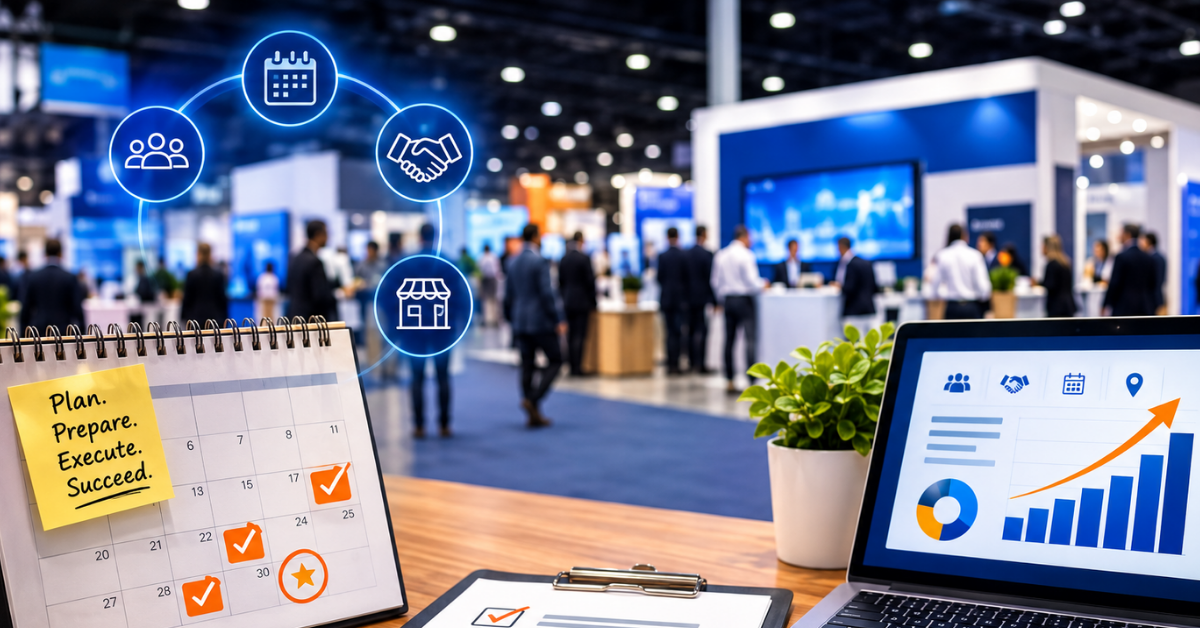
Exhibitions are still one of the best ways for industries to connect buyers and sellers face-to-face, and the numbers prove it. The global exhibition market is expected to be worth about $51–75 billion in 2026, depending on how it is measured, with steady growth over the next ten years as demand for in-person networking and deal-making continues to rise (Global Market Insights; Research and Markets). North America alone makes up about 47% of the global exhibition economy, generating nearly $77 billion in direct spending, according to data from the Global Association of the Exhibition Industry (GMInsights).
But none of this success happens by chance. Whether you are running a 50-booth local trade show or a major international expo, a successful exhibition comes from months of careful planning in budgeting, choosing the venue, recruiting exhibitors, marketing, managing logistics, and follow-up.
This guide explains, step by step, how to organize a successful exhibition in 2026, including the trends and data you need to plan with confidence.
Why Exhibition Planning Matters More Than Ever in 2026
Companies are spending more on face-to-face meetings again. About 42% of companies planned to spend more on travel and events in 2025 than in 2024, and 60% of business travelers planned to attend at least one trade show that year — showing that in-person events are once again key to B2B strategies (Mordor Intelligence).
At the same time, attendees and exhibitors expect more. Buyers want personalized experiences, eco-conscious practices, and clear results, not just a hall full of booths. This mix of higher demand and expectations is why careful planning matters more this year than before.
Step 1: Define Your Objectives and Theme
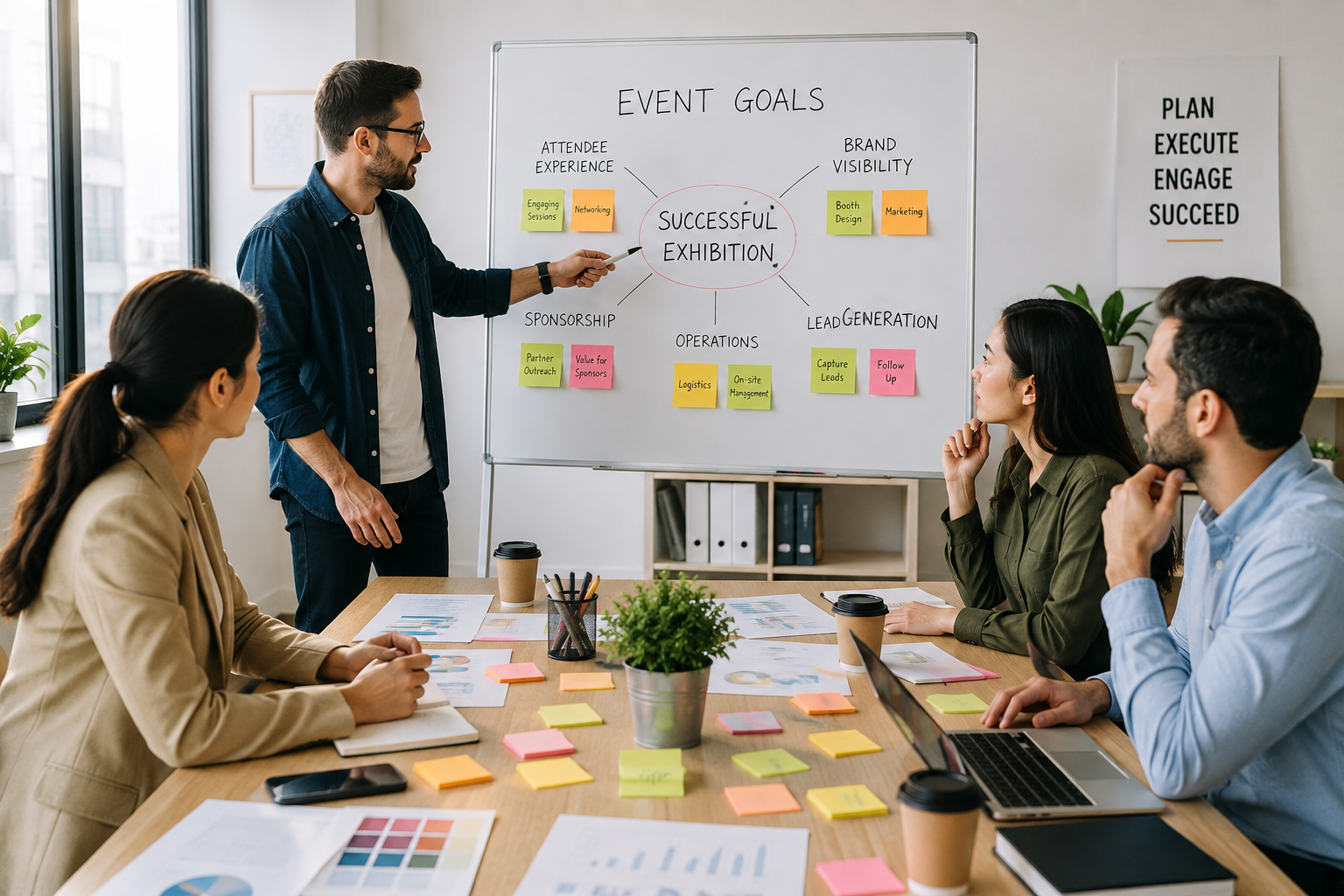
Every well-run exhibition starts with a clear answer to one question: what is this event for?
Common goals include:
- Connecting buyers and sellers in a specific industry vertical
- Launching new products or innovations to a concentrated audience
- Generating sponsorship and exhibitor revenue
- Building a recurring, branded industry event
Your goal affects everything that follows, including the venue size, the mix of exhibitors, the marketing approach, and how you measure success later. Experts in exhibition management always say this is the key first step: decide the purpose and theme before setting a budget or choosing a venue. These choices should support your goal, not the other way around (RoleCatcher).
Step 2: Build a Practical Budget
Budgeting for an exhibition goes well beyond venue rental. A complete exhibition budget typically accounts for:
- Venue rental and utilities (power, Wi-Fi, HVAC)
- Marketing and promotional materials
- Staffing (event day + planning team)
- Insurance and permits
- Vendor and contractor fees (booth construction, catering, security)
- Technology (registration platforms, lead-capture tools, AV)
- Backup funds for unexpected costs
To cover costs, most organizers rely on exhibitor booth fees, ticket sales, and sponsorships (ClickUp; RoleCatcher). It helps to track spending throughout the process rather than just at the end. This approach makes it much easier to determine the actual return on investment after the event and to explain budget choices for next time.
Step 3: Choose the Right Venue and Dates
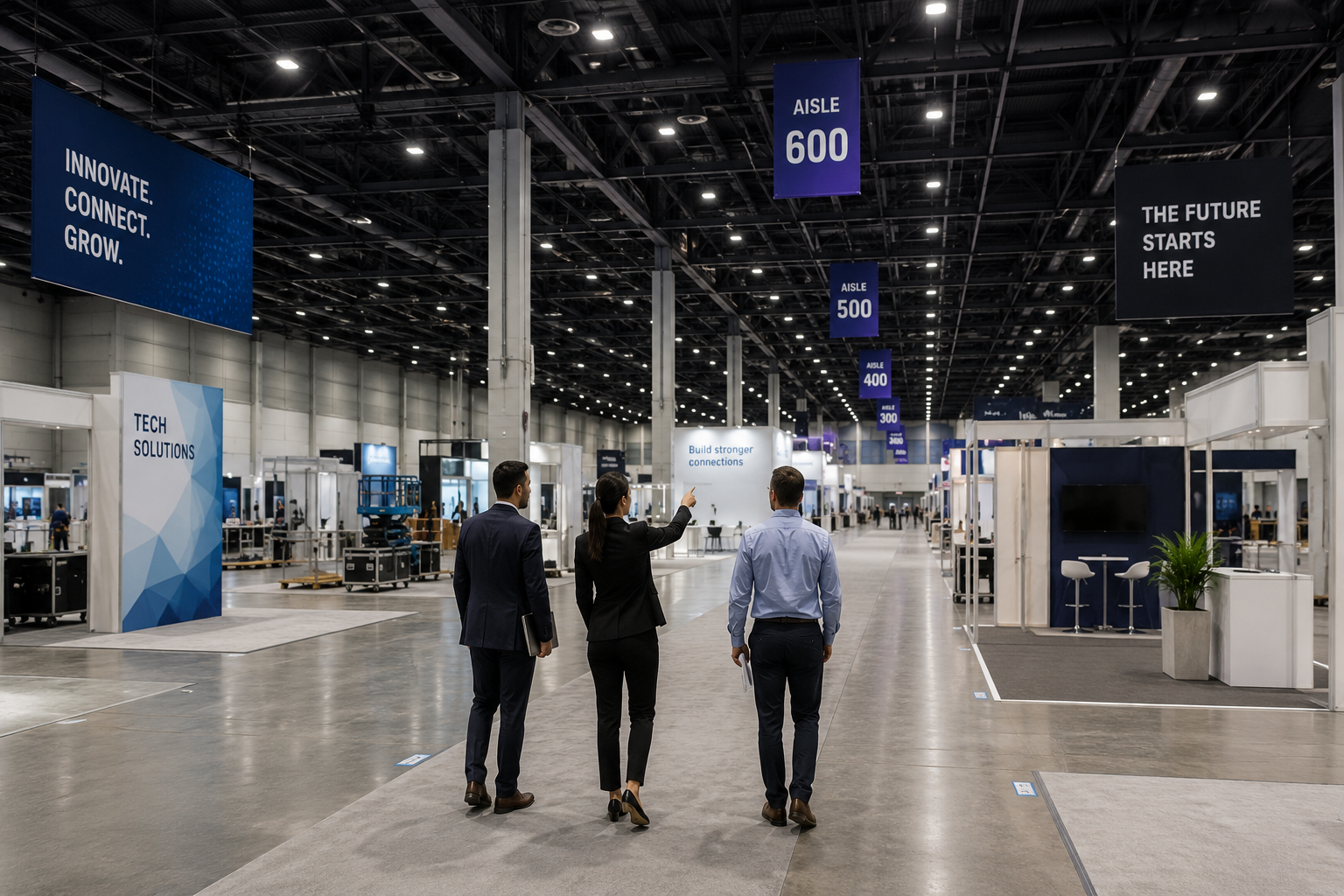
Venue selection is one of the highest-impact decisions you’ll make. Key factors to evaluate:
- Location: centrally located and easy to reach for your target industry’s geographic base
- Size and layout: enough space for your projected exhibitor count plus comfortable attendee traffic flow
- Amenities: power access, internet bandwidth, loading docks, catering, accessibility
- Cost: including hidden fees for labor, security, and after-hours access
Experienced organizers suggest visiting the venue in person before signing any contract because photos and floor plans often miss real issues such as ceiling height, column locations, or loading access (PlantTours; Cvent).
About timing: avoid scheduling your event at the same time as big competing events in your industry and allow enough preparation time. Most planning guides suggest starting serious planning 9 to 12 months before the event for medium to large exhibitions (MVP Visuals; Trade Show Advisor).
Step 4: Build a Realistic Planning Timeline
| Timeline | Focus Area | Key Activities |
|---|---|---|
| 12+ months out | Strategy | Define objectives, secure buy-in, draft budget, and research venues. |
| 9–12 months out | Venue & Vendors | Book the venue, begin exhibitor outreach, and select key vendors. |
| 6–9 months out | Marketing Setup | Launch the event website, open exhibitor registration, and begin sponsor outreach. |
| 3–6 months out | Promotion | Launch attendee marketing campaigns, confirm the floor plan, and finalize speakers. |
| 1–3 months out | Logistics | Confirm staffing, shipping, signage, AV requirements, and technology. |
| Final weeks | Execution Prep | Print badges, brief staff, and confirm all vendor deliveries. |
| 1 day–1 week after | Follow-up | Analyze leads, compare the budget against actual costs, and gather feedback. |
Step 5: Recruit Exhibitors and Sponsors
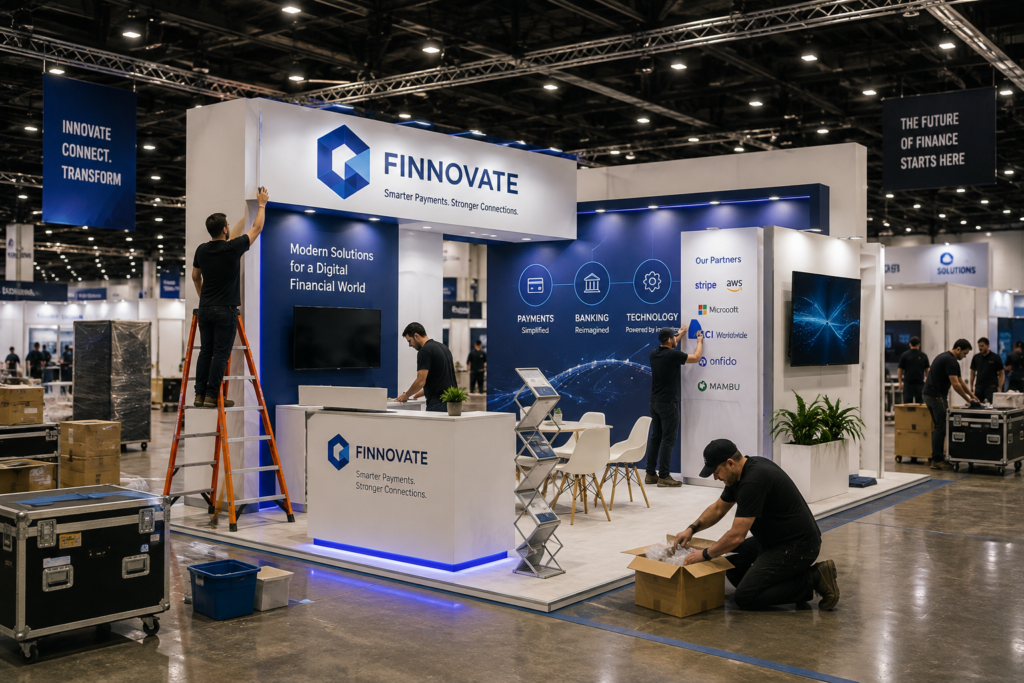
Your exhibitors are the core product of your event. Attendees come to see them, not an empty hall. To recruit effectively:
- Build tiered exhibitor packages (standard booth, premium booth, sponsor package) priced to your target audience.
- Clearly communicate the value proposition: expected attendee volume, industry focus, and past event results.
- Offer sponsorship levels that provide real, data-based visibility, not just putting logos on materials. In 2026, sponsors expect digital lead tracking and booth analytics included as part of the deal, not added later (Ace Displays)
- Start outreach early. Exhibitor sales cycles are long, especially for premium sponsorship slots.
Step 6: Market the Exhibition to Attendees
An exhibition with great exhibitors and no attendees fails just as fast as one with no exhibitors at all. A strong attendee marketing plan typically includes:
- A dedicated event website with registration, exhibitor directory, and schedule
- Email marketing campaigns to past attendees and industry contact lists
- Social media promotion (LinkedIn is especially effective for B2B exhibitions)
- Paid media and targeted landing pages for your specific industry audience
- Partnerships alongside industry media outlets and influencers for added reach
Using data to target your audience is important: 94% of event marketers say pre-event email is their most important channel for promotion, and 72% of attendees prefer personalized invitations instead of generic emails (SalesHive).
Dividing your outreach by industry, job role, and experience, instead of sending mass emails to a general list, makes a clear difference in sign-ups and attendance.
Step 7: Plan Logistics and Floor Layout
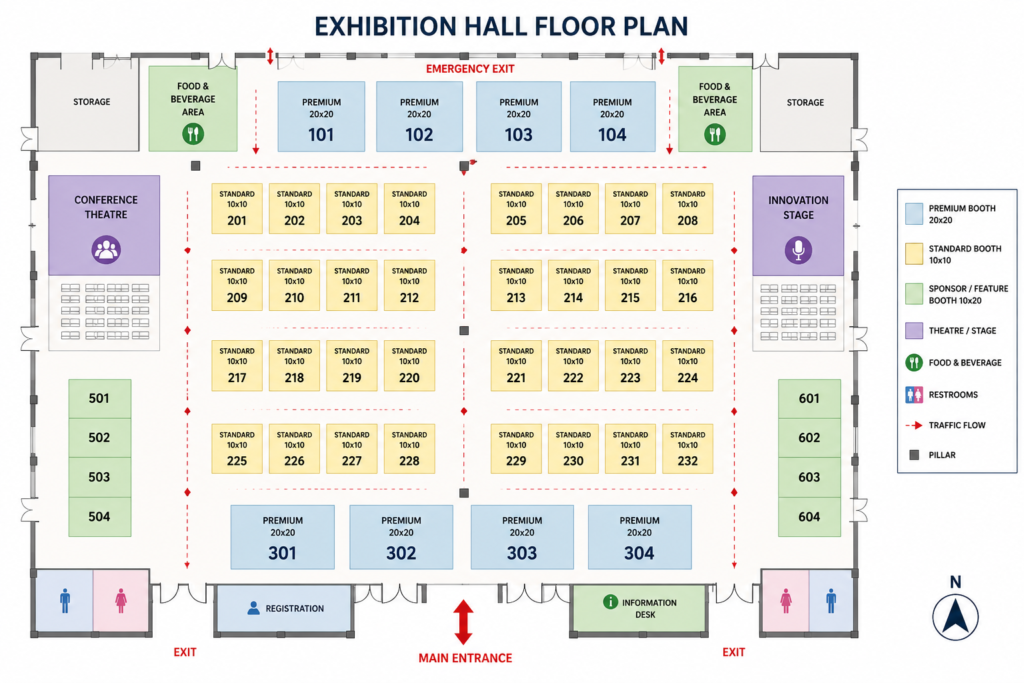
Once exhibitors and marketing are underway, attention turns to operational implementation:
- Floor plan: assign booth sizes and arrange paths so attendees proceed naturally through the whole hall, not just near the entrance
- Vendor arrangement: make sure booth building, furniture rental, catering, security, and signs all have set delivery times
- Staffing: hire and train people for registration, guest help, and floor support
- Contingency planning: prepare backup plans for shipping delays, technical problems, or eleventh-hour vendor issues
Clear, early communication with exhibitors about booth sizes, setup and takedown times, and power needs helps prevent the most common problems on event day (Cvent; MODdisplays).
Step 8: Build in 2026's Key Exhibition Trends
AI-Powered Personalization & Analytics
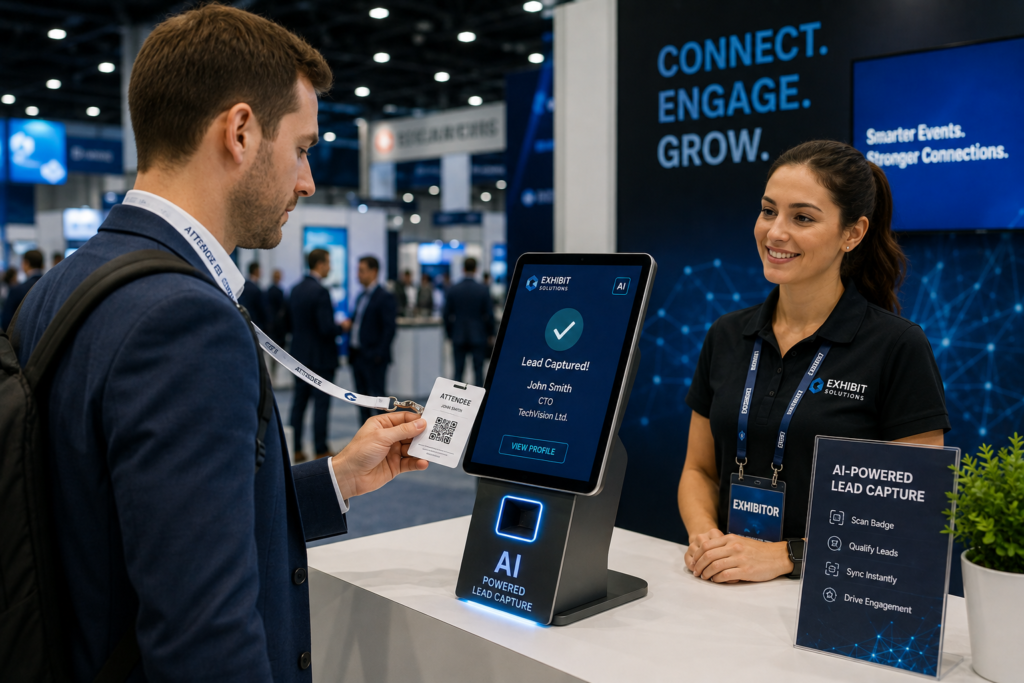
AI is going far beyond simple chatbots. Exhibitors use AI-based visitor data and heat maps for lead scoring; those areas and interactions drive business results (Show Off AS; Ace Displays). Some exhibitors using AI-powered booth features, such as guided AI product tours, report increases in engagement of up to 45% (Trade Show Labs). As an organizer, providing built-in badge-scanning and analytics tools for your exhibitors helps you stand out when recruiting for next year’s event.
Sustainability as a Baseline Expectation
Hybrid and Extended-Reach Formats
Step 9: Execute Event Day
By the time doors open, execution is about coordination, not decision-making. Best practices for event day:
- Hold a pre-event team huddle to review goals, roles, and contingency plans.
- Confirm all technology (registration systems, lead-capture apps, AV) is tested before doors open.
- Have a visible, reachable point of contact for exhibitors throughout the day for on-the-spot issues.
- Monitor attendee flow and be ready to adjust (extra staffing at bottlenecks, signage tweaks)
This is also where your pre-show planning pays off; organizers who’ve built in extra time and clear staff roles tend to handle on-the-day surprises far more smoothly than those improvising
Step 10: Post-Show Follow-Up and ROI Measurement
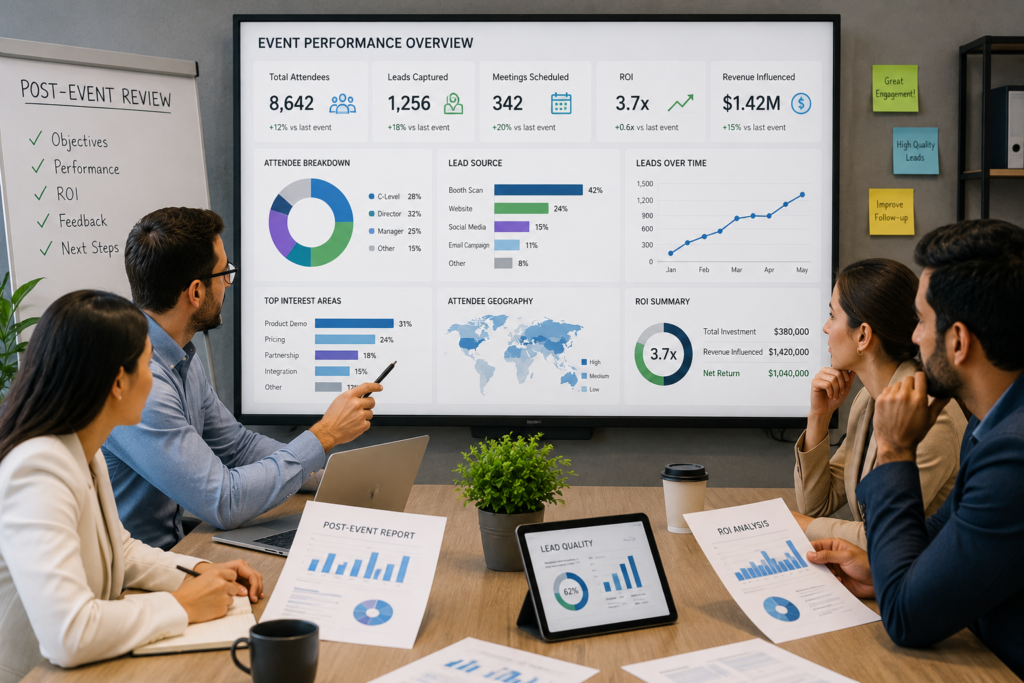
The event closing doesn’t mean the work is done; in many ways, this is where the real payoff happens.
- Analyze leads and attendance data against your original objectives.
- Review budget vs. actual spend to calculate true ROI
- Send thank-you communications to exhibitors, sponsors, and attendees.
- Collect structured feedback via surveys from all three groups.
- Share a post-event report highlighting attendance, engagement, and key outcomes, useful both internally and as a sales tool for next year’s exhibitor recruitment.
Notably, industry data shows that up to 70% of trade show leads are never followed up on by exhibitors themselves (SalesHive). This is a strong reminder to encourage and support your exhibitors’ follow-up process actively, since their success with your leads directly affects whether they return next year.
Common Mistakes to Avoid
- Starting too late. Executive calendars and prime exhibitor slots are booked months in advance. Waiting until only 2 or 3 months before the event will significantly limit your options.
- Underestimating the marketing timeline. Attendee registration usually builds slowly and then spikes close to the event. Plan for sustained promotion, not just a single announcement.
- Ignoring data quality in outreach. Generic, scraped contact lists produce poor response rates and can hurt sender reputation; targeted, verified contact data consistently performs better for both exhibitor recruitment and attendee marketing.
- Skipping the post-event report. Without documented ROI, it’s much harder to justify budget or attract returning exhibitors next year.
How ExpoLeads Helps You Fill the Room
Final Thoughts
Organizing a successful exhibition in 2026 still relies on the same fundamentals: definite objectives, disciplined budgeting, the right venue, and strong marketing for exhibitors and attendees. This year, you also need to meet expectations around AI-enabled personalization, sustainability, and measurable ROI. If you get the planning sequence right, the event itself becomes much more predictable to execute.